
Creating an Inclusive Day Program
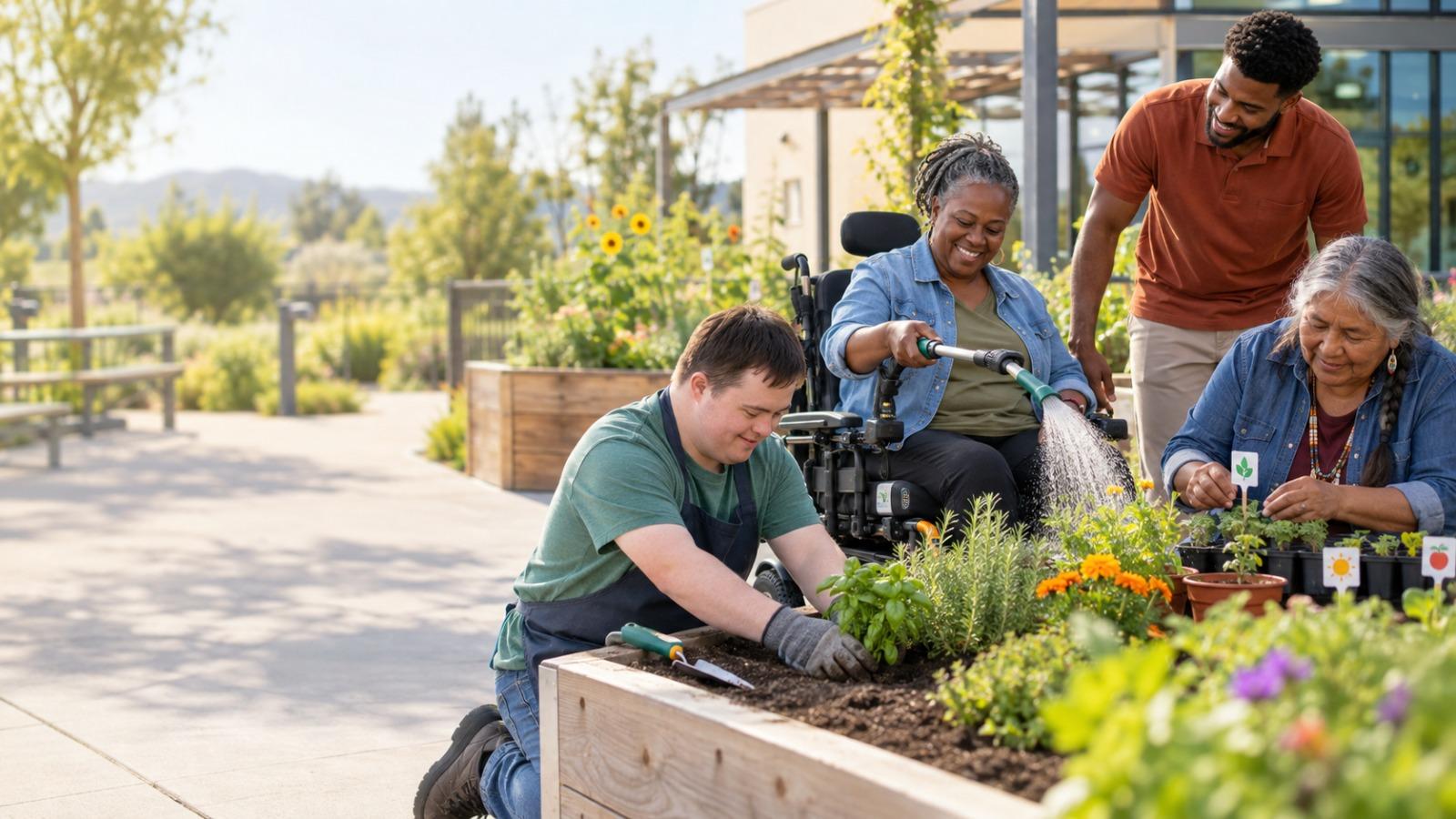
An inclusive day program is more than a place where adults with intellectual and developmental disabilities spend their day. It should promote independence, personal growth, meaningful relationships, community participation, dignity, and belonging.
Building a successful program requires a clear mission, an accessible environment, competent staff, reliable operational systems, and services designed around each person—not staff convenience or a fixed schedule.
Start With a Clear Purpose
Before selecting a location or creating an activity calendar, define:
- Who the program will serve
- What services it will provide
- What outcomes it intends to achieve
- How individuals will make choices
- How the program will promote independence and community inclusion
- How culture, communication, and personal identity will be respected
The program’s mission should align with its policies, staffing, training, daily activities, and actual service delivery.
Understand the People You Will Support
Determine whether the program can safely meet the needs of individuals who may require:
- Mobility or personal-care assistance
- Alternative communication methods
- Behavioral or sensory supports
- Medication administration
- Seizure or choking precautions
- Specialized transportation
- One-to-one or additional staffing
- Support with employment and community participation
Admission decisions should be based on the program’s actual staffing, training, environmental, and clinical capacity.
Create an Accessible, Adult-Focused Environment
Before purchasing or leasing a building, review zoning, occupancy, accessibility, fire safety, transportation access, restrooms, emergency exits, medication storage, and private areas for healthcare or personal care.
The environment should feel welcoming and appropriate for adults—not institutional or childlike. Flexible activity areas, quiet spaces, accessible kitchens, technology stations, fitness areas, and comfortable seating can support individual choice and participation.
Build Services Around Choice and Community
A day program should not become the person’s entire world. Community activities should reflect individual interests and create opportunities to develop relationships, contribute, and build valued roles.
Options may include:
- Volunteering
- Employment exploration
- Libraries and recreation centers
- Faith and cultural activities
- Shopping and transportation training
- Art, fitness, and community classes
- Clubs, festivals, parks, and local events
A single program calendar should not determine everyone’s day. Each person’s schedule should reflect their goals, preferences, culture, health needs, communication style, sensory needs, and desired level of activity.
Hire and Train the Right Staff
Staff should demonstrate respect, patience, sound judgment, reliability, and belief in each person’s potential. Training should address rights, communication, health and medication needs, emergency response, positive behavioral supports, documentation, confidentiality, transportation safety, and abuse reporting.
Attendance at training is not the same as competency. Staff should demonstrate essential skills through observation, return demonstrations, scenarios, quizzes, or supervised practice.
Staffing levels should be based on assessed needs—not only the minimum allowed ratio. Providers must also plan for call-outs, emergencies, transportation problems, and temporary increases in support needs.
Establish Strong Operational Systems
Before opening, the program should have reliable systems for:
- Medication administration and reconciliation
- Health monitoring and changes in condition
- Emergency and disaster response
- Safe transportation
- Incident reporting
- Individualized progress notes
- Rights protection and complaints
- Staff supervision
- Quality improvement
Documentation should clearly show the service provided, individual choice, goal addressed, assistance given, response, progress, and necessary follow-up.
Measure What Matters
A full activity calendar does not necessarily indicate quality. Programs should measure whether individuals:
- Make meaningful choices
- Build useful skills
- Develop relationships
- Participate in community life
- Explore employment or volunteering
- Improve their health and safety
- Gain independence
- Experience dignity and belonging
Feedback should be gathered regularly from individuals and families using communication methods appropriate to each person.
The Bottom Line
A truly inclusive day program does not simply bring people with disabilities into a building. It creates the support, access, choices, and opportunities they need to participate fully in their communities.
Before opening, providers should confirm that the location is approved and accessible, staff are competent, health and safety systems are operational, community partnerships are established, and the program can meet each person’s needs respectfully.
This article provides general educational information and is not legal, licensing, zoning, or regulatory advice. Providers should review all applicable requirements before opening or operating a day program.